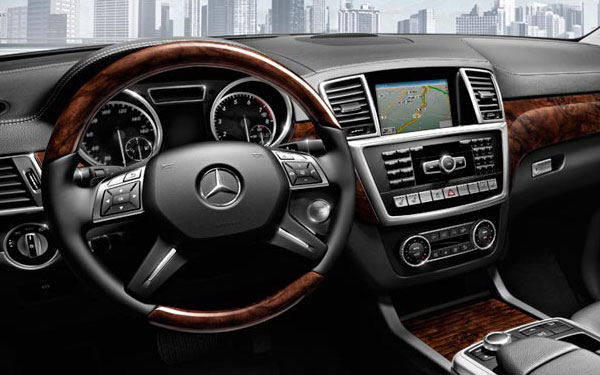
Why Remote Starters Matter in Vermont and New Hampshire Winters
Cold weather turns morning routines into logistical problems, making a reliable remote starter more than a luxury—it's a practical necessity. Installing a Remote Car Starter Install system allows drivers to warm the engine and cabin before stepping outside, reducing engine wear associated with cold starts and improving comfort for passengers. For areas like Vermont and New Hampshire, where temperatures regularly drop below freezing and heavy snowfall is common, the value of a remote starter becomes clear: quicker windshield defrosting, a pre-warmed interior, and reduced idling stress during the first driving minutes.
Beyond comfort, remote starters contribute to safety and convenience. When visibility is impaired by frost or ice, being able to remotely start the vehicle and clear windows with the heater or defroster reduces the time spent scraping and risk of accidents. Modern systems often integrate with keyless entry and vehicle security modules, meaning a Remote Car Starter Vermont or New Hampshire installation can be paired with features such as trunk release, alarm arming, and smartphone control. These integrations offer a seamless user experience while preserving the factory electronics and warranty considerations.
Energy efficiency and emissions are additional considerations. While remote starting does involve short-term fuel use, a properly warmed engine can operate more efficiently once driving begins, decreasing emissions associated with cold combustion. Additionally, choosing a professional Remote Car Starter Installer ensures the system is installed to maximize reliability and minimize electrical draw, especially in vehicles with modern CAN-bus systems that require precise integration.
Choosing the Right System and Installer: Features, Compatibility, and Brands
Not all remote starters are created equal. Key features to weigh include range, two-way confirmation, smartphone connectivity, and compatibility with manual transmissions and advanced safety interlocks. Brands like Compustar are known for offering robust options like long-range remotes and encrypted communication. A Compustar Remote Car Starter Install performed by a trained technician provides peace of mind that the system will function correctly with existing vehicle electronics, immobilizers, and alarm systems.
Compatibility is crucial. Modern vehicles often use complex communication networks; an installer must map signals for ignition, accessories, and safety interlocks. Professional installers should provide diagnostics and avoid simple “one-size-fits-all” modules that can interfere with airbags, anti-theft systems, or engine management. For manual transmission vehicles, a safety bypass or clutch switch integration should be carefully implemented to prevent accidental remote starts when a gear is engaged.
When selecting an installer, look for certifications, customer reviews, and examples of previous work. Local installers familiar with regional needs—such as those servicing Keene or Brattleboro—will understand the practicalities of winter use and which features are most valuable. Inquiries about warranties, installation practices, and post-installation support are essential. For those in search of trusted local service, the choice of installer can be as important as the remote starter itself.
Real-World Examples and Best Practices for Installation and Use
Case studies from New England drivers illustrate typical outcomes and common considerations. One commuter in Keene who upgraded to a long-range system found the convenience of starting a vehicle from indoors dramatically reduced pre-trip time and improved morning safety. Another Brattleboro resident combined a remote starter with a high-quality security package, balancing convenience with anti-theft protection. Small fleet operators in Vermont have also adopted remote starters across multiple vehicles to decrease idle time during winter loading, improving both efficiency and driver morale.
Best practices for installation include proper vehicle diagnostics before and after installation, conservative power management to avoid battery drain, and ensuring any alarms or immobilizers remain effective. Post-install testing—verifying that the remote start engages only when safety interlocks are satisfied, and that climate controls operate as expected—prevents surprises during winter usage. For those interested in professional services in the region, options exist to get a tailored solution; for example, scheduling a Remote Car Starter Brattleboro VT service can connect a vehicle owner with installers experienced in local climate challenges and system integration.
Maintenance tips include periodic battery checks in remote fobs, firmware updates for smartphone-capable modules, and seasonal inspections to verify that the starter and security systems perform reliably after freezing conditions. With the right installer and adherence to best practices, a remote starter enhances comfort, safety, and vehicle longevity across Vermont and New Hampshire winters.