Why Harley Street Leads the Way in Hair Transplant Excellence
Few medical districts carry the prestige and clinical depth of Harley Street. For decades, this historic London enclave has drawn world-class surgeons and discerning patients seeking advanced treatments and discreet, high-touch care. When it comes to a hair transplant, Harley Street stands out for its rigorous standards, multidisciplinary expertise, and patient-first protocols. Clinics in this area often combine surgical skill with artistic judgement, ensuring that each restoration plan is designed to match hair characteristics, facial structure, and long-term progression of hair loss.
Technical mastery underpins the reputation of hair transplant Harley Street. Surgeons here routinely employ state-of-the-art instrumentation—precision punches for FUE, stereomicroscopes for FUT graft dissection, and refined implantation tools that minimize trauma while maximizing graft survival. The aim is clear: create density where it matters, preserve a healthy donor area, and maintain a natural growth direction that blends seamlessly with existing hair. Whether addressing temple recession, crown thinning, or diffuse loss, the focus remains on long-term aesthetics, not just short-term coverage. This emphasis on donor management is crucial; a measured approach today protects options for future reinforcement if hair loss progresses.
The patient journey on Harley Street is equally methodical. Detailed consultations assess hair calibre, donor density, scalp laxity, and the stability of hair loss. Digital imaging can simulate realistic outcomes, helping to align expectations. Surgical days are streamlined for comfort with local anaesthesia and careful graft handling to reduce desiccation and improve survival. Post-operative plans—ranging from wound care and swelling control to timelines for washing and returning to exercise—are tailored to each case. Clinics aiming to deliver the best hair transplant london experience combine clinical excellence with concierge-level support, ensuring discretion, clarity, and follow-through from consultation to visible regrowth.
Choosing the Best Hair Transplant in London: Techniques, Candidacy, Costs, and Results
Selecting the right clinic involves more than scanning before-and-after photos. Understanding candidacy and technique is central to achieving a natural result. Good candidates for a hair transplant typically have stable hair loss, adequate donor density, and realistic expectations. Age, family history, and pattern classification (often using the Norwood scale for men or Ludwig for women) inform long-term planning. Surgeons in London weigh these variables carefully, often integrating non-surgical therapies—such as topical or oral hair growth support—alongside surgery to protect native hair and sustain results.
Technique choice is equally important. FUE (Follicular Unit Excision) extracts individual follicular units using micro-punches, leaving tiny dot scars that can be hard to detect even with short hairstyles. FUT (Follicular Unit Transplantation), sometimes called strip surgery, yields a linear scar but can provide a high number of grafts efficiently; it remains a strong option for certain donor profiles and larger sessions when expertly executed. Advanced implanter methods and refined incision protocols enhance graft angulation, density, and hairline nuance. What matters most is not the acronym but the surgeon’s hands, their planning philosophy, and their track record across different hair types—including finer Asian hair, wavy Caucasian hair, and tightly coiled Afro-textured hair.
Cost in London reflects the calibre of care and can vary widely based on graft count, complexity, and surgeon expertise. Rather than chasing the lowest quote, patients should evaluate value: surgeon involvement throughout the case, meticulous graft handling, and robust aftercare all influence outcomes. Properly staged sessions, consistent density targets, and attention to donor conservation yield results that age gracefully. Timelines are also key: most patients see early growth at three to four months, meaningful cosmetic change by six to eight months, and maturation up to 12–18 months. For those exploring a trusted route to hair transplant london, pairing proven surgical skill with an honest, data-driven consultation sets the stage for success.
Real-World Outcomes: Case Studies, Maintenance Plans, and Long-Term Strategy in the UK
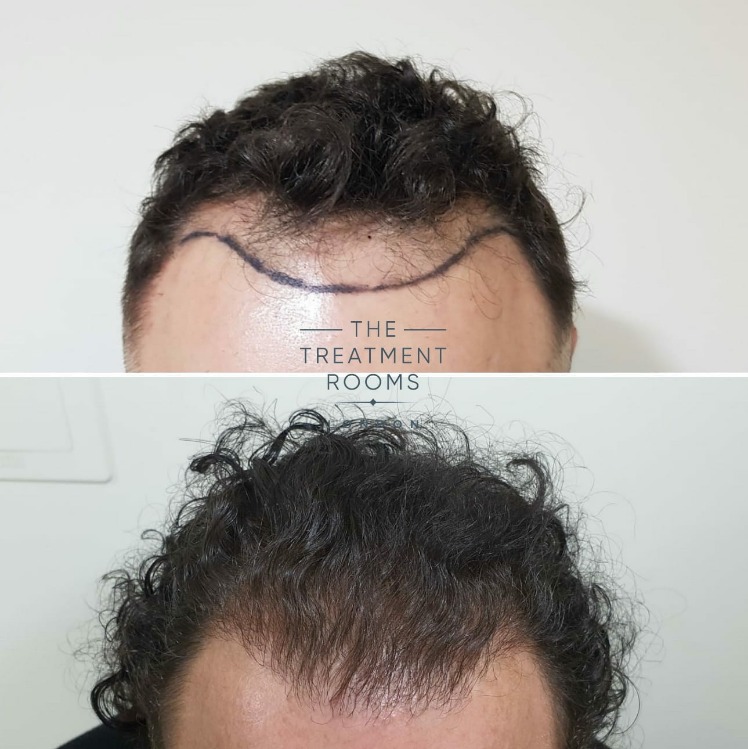
Case studies reveal how tailored planning shapes outcomes. Consider a 32-year-old professional with Norwood 3 temple recession. With a strong donor area, an FUE procedure of around 2,300–2,600 grafts created a refined, age-appropriate hairline. The surgeon hardened edges subtly for masculine definition while softening the very front with single-hair grafts for a natural feathering effect. At 12 months, density framed the face without overloading the donor, leaving reserves for future-proofing. For another example, a 41-year-old woman with diffuse thinning (Ludwig II) underwent a combined plan: targeted frontal density via FUT for maximum grafts in one session, nutritional optimization, and ongoing medical therapy to stabilize miniaturizing hairs. The result was balanced coverage, improved styling options, and a healthier scalp environment.
Ethnic hair considerations underscore the need for experienced hands. In Afro-textured hair, curved follicles demand careful punch selection and angles to avoid transection. Skilled teams achieve strong survival rates while preserving curl pattern and avoiding over-harvesting. Crown work, often a “graft-hungry” zone, benefits from conservative planning—spreading grafts too thin can dilute the impact, while a measured density can deliver the illusion of fullness without exhausting donor supply. These decisions distinguish average outcomes from the best hair transplant london results, where artistry, geometry, and biology converge.
Maintenance is non-negotiable. Even the most artful hair transplant must be supported by a long-term plan that addresses ongoing miniaturization. Evidence-based medical therapies can slow or halt progression, while adjunctive treatments like PRP may complement surgical results for some patients. Scalp care—sun protection, gentle washing, and avoiding traction—protects grafts. Periodic reviews help anticipate future changes; a “little and often” approach can outperform large, reactive sessions. Patients considering a hair transplant uk pathway benefit from local follow-up, coherent documentation, and a clinic that prioritizes donor conservation. In aggregate, these factors deliver results that look good at 12 months and still make sense 12 years later—discreet, natural, and aligned with the individual’s face, lifestyle, and evolving hair characteristics.